
Product photography is more than just a nice-looking photo – it’s a performance tool. As a product photographer, there are a few questions I get asked very frequently about the actual effect of having these visuals for your brand, so I’m here to compile them all into one spot for you so that you can make your investment decision confidently.
Most Frequently Asked Questions About Product Photography
I get it – investing in something like this comes with a lot of uncertainty and a lot of questions. As a product photographer who works with established brands, these are the ones I hear most often:
How Can Professional Product Photography Actually Impact Conversion Rates?
Professional product photography is a revenue lever, not a creative expense. It signals professionalism, builds trust, and improves buyer perception, all of which are important steps to actually get to that conversion. Using professional product photos across social media platforms, on physical marketing materials, and then on PDPs can drive sales by engaging buyers through every touchpoint of the sales funnel.
What’s the Difference Between “Good-Looking” Product Photos and Photos that Perform?
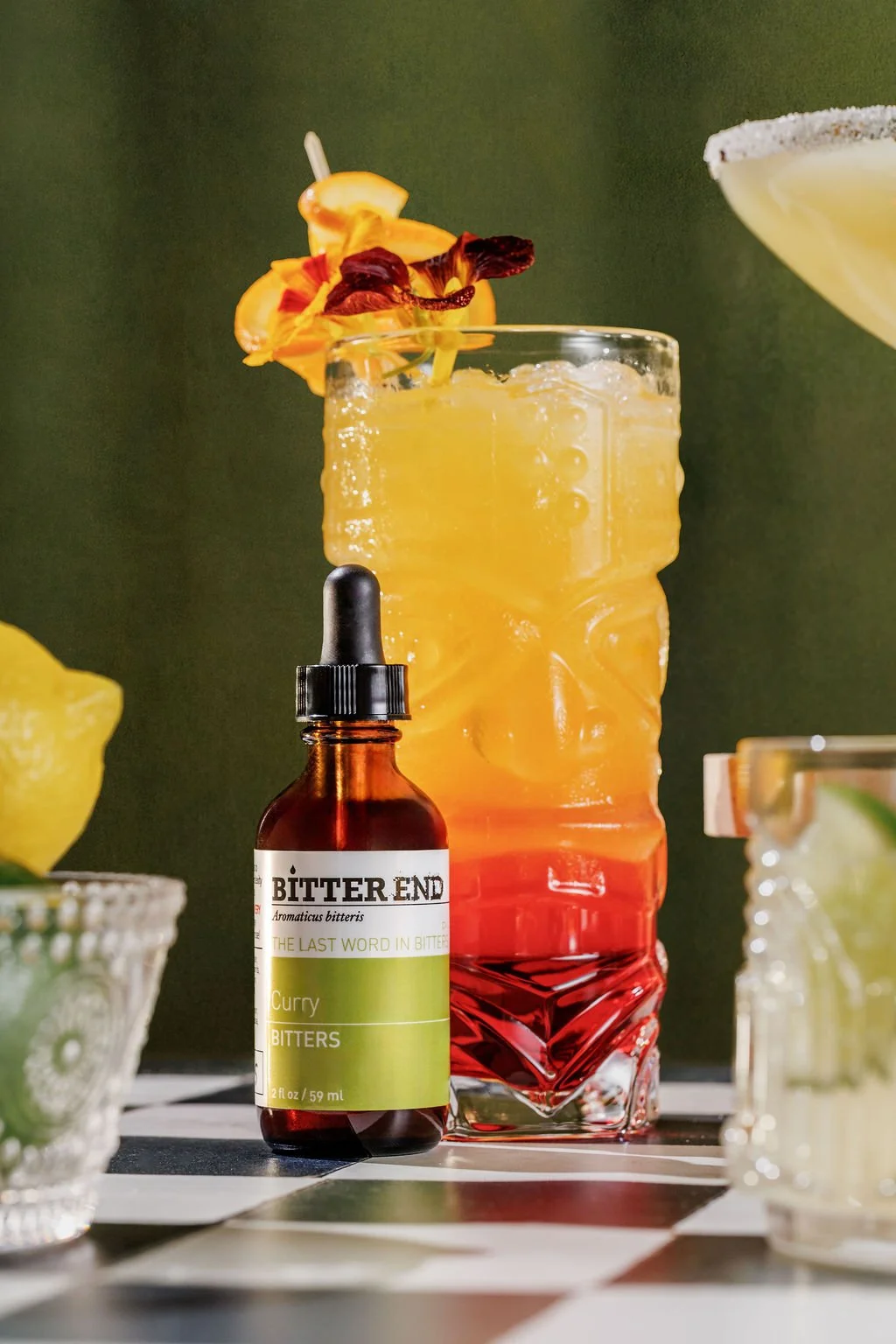
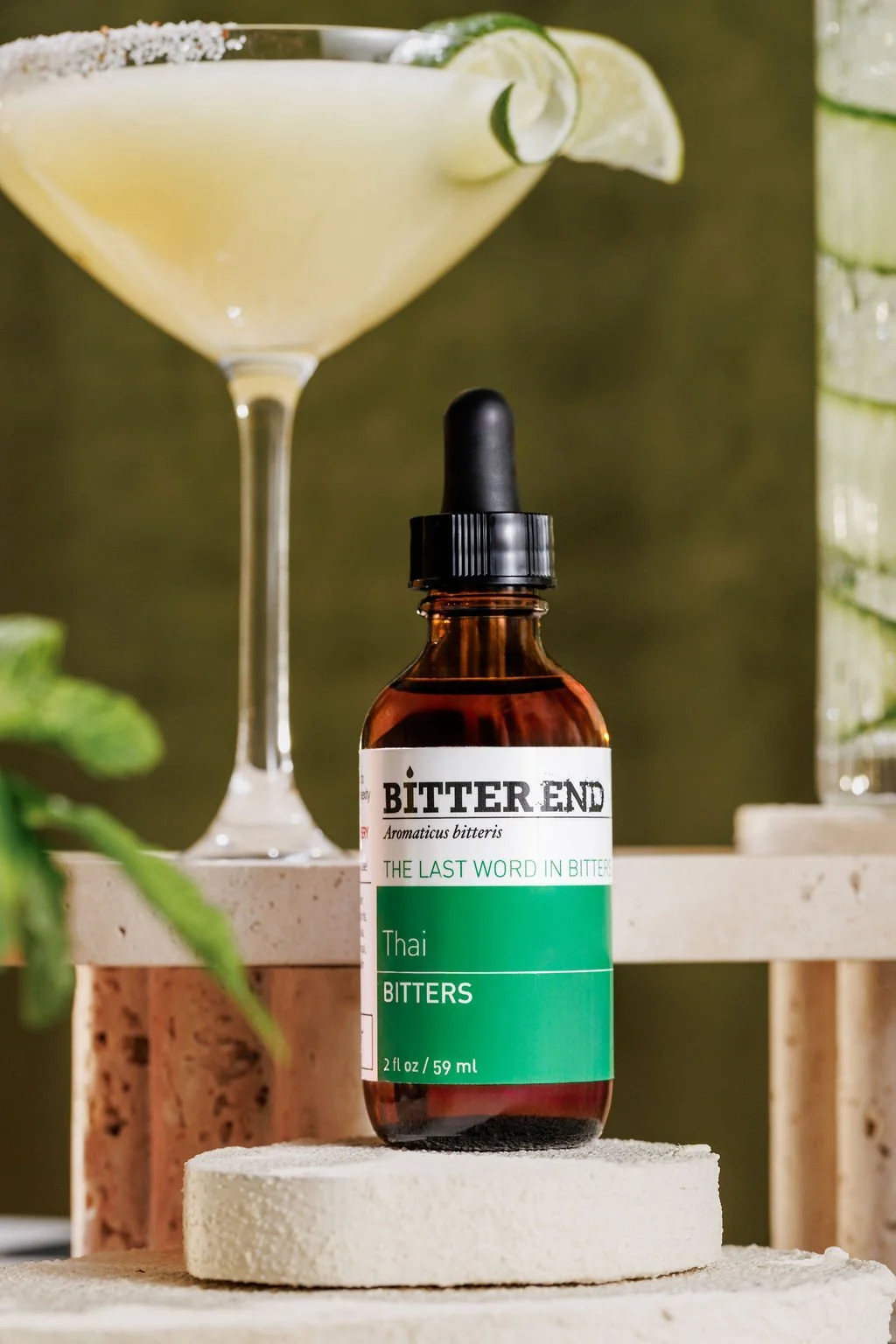
As a product photographer, my approach is never to just deliver photos that look good. It’s to tell your brand’s story through photography, and to be sure that every photo has a strategic purpose behind it.
I use eye-tracking technology and visual hierarchies to determine how to set up shots to ensure that consumers are being visually engaged by the photos. I also do extensive A/B testing to see how different image settings perform on different platforms, to direct how I construct an image. For example, I curate a different composition for images that will be used on wholesale sites like Faire vs. DTC platforms vs. paid social media ads. Each platform has different visual needs, and those are all things I keep in mind to be sure that the photos I deliver are more than just nice-looking for your brand, and actually work for you.
What Kind of ROI Should We Expect from Investing in Professional Product Photography?
Product photography is the kind of investment that you see a return on immediately, and it compounds over time. It improves performance quickly after being implemented strategically, and it becomes a visual focal point for your brand, which will eventually lead to brand recognition.
Low-quality imagery also erodes spend efficiency. Professional product photography will help you get the most out of your marketing budget and improve your CAC by quietly building trust over time.
How Do We Know When it’s Time to Upgrade Our Product Photography?
There are a few key times when you should consider upgrading your product or brand photography:
You’re seeing plateauing conversion rates. This is a sign that it’s time for fresh, strategy-driven imagery.
You’re rebranding (or switching up your packaging). Rebrands should reflect throughout your consumer’s entire journey. Consistent visuals keep a sense of uniformity that any established brand needs.
You’re expanding. Whether it’s adding on new product lines, entering new audiences, or expanding to retailers, updated photography is a necessity.
How Much Creative Direction Should Our Team Provide vs. the Photographer?
When planning your shoot, there’s a difference in strategic collaboration and pixel-level micromanagement. As a photographer who understands CPG strategy, I know that that’s something that reduces your workload (and stress) by a lot. An aligned creative direction, with a professional that knows how to create images that produce results, will save you time and money.
How Much Does Professional Product Photography Cost?
A high-value production, such as a professional photoshoot, is a marketing investment. And as is true for any business investment, going cheap gets more expensive later, whereas investing in something high-quality brings ROI for years to come.
Before we get into specifics, let’s cover what really impacts the cost of something like this:
Scope & Complexity
Labor Costs
Materials & Equipment
Creative Direction & Planning
Usage and Licensing
Location & Studio Rental
Time Constraints
Revisions & Iterations
Quantity & Scale of Final Assets
Post Production
Talent & Models
Overall, brands should generally allocate 15-30% of their total advertising budget to production, with higher percentages for luxury goods and lower for services. For high-impact campaigns (ex: SuperBowl ad), this spend may reach 30-40% to ensure high-quality content that builds brand equity. These percentages can vary based on the channels used or creative requirements.
Direct response marketing focused on generating an immediate response or action from an audience may see a typical ratio of 20% production and 80% media spend. Performance marketing, similar to direct response marketing encompasses a broader range of actions beyond immediate sales (leads, subscriptions, app installs) may see a ratio closer to 20-30% production and 70-80% for media spend. Finally, brand marketing focused on building brand awareness and equity rather than immediate conversions may see a ratio of 30-40% production and 60-70% media spend.
Overall, marketing budgets are often 5-20% of annual revenue, with production being a subset of that total. You can find more details and helpful information in these articles from Trinity P3 and Scale Marketing.
So, how much does a product photoshoot cost? It ultimately depends on your marketing goals, industry, budget, and scope. A CPG company doing about a million dollars in revenue a year should generally plan for $15K in production a quarter. When planning your budget usage out, keep in mind that pricing will vary region to region and photographer to photographer.
How Do Usage Rights Work?
Usage rights don’t have to be complicated, but are often misunderstood. In short, usage rights are what an artist charges a brand to use their work. Models, creators, influencers, and celebrities will charge a usage right for a brand to use their name, image, and likeness. Photographers will charge usage rights for using their photographs commercially.
These 3 factors often determine the investment for usage rights:
Distribution (where will the work be used)
Volume (how many eyes will view the work)
Term (how long will the work be published)
Other factors may include the size of the company (a photographer may charge a mom & pop brand less than they would charge, say a General Mills brand), mission or impact of the campaign, and the current market.
The more impact the campaign is expected to have, the more you should be prepared to invest in usage.
For example, a legacy hero image of a Coca-Cola bottle will most likely be used for decades across billboards, digital ads, commercial spots, and print catalogues vs a lifestyle image of the same Coca-Cola bottle in a Valentine-themed setting for a 2027 campaign may only be used for a few months.
How Do We Ensure Visual Consistency Across a Growing Product Line or SKU Expansion?
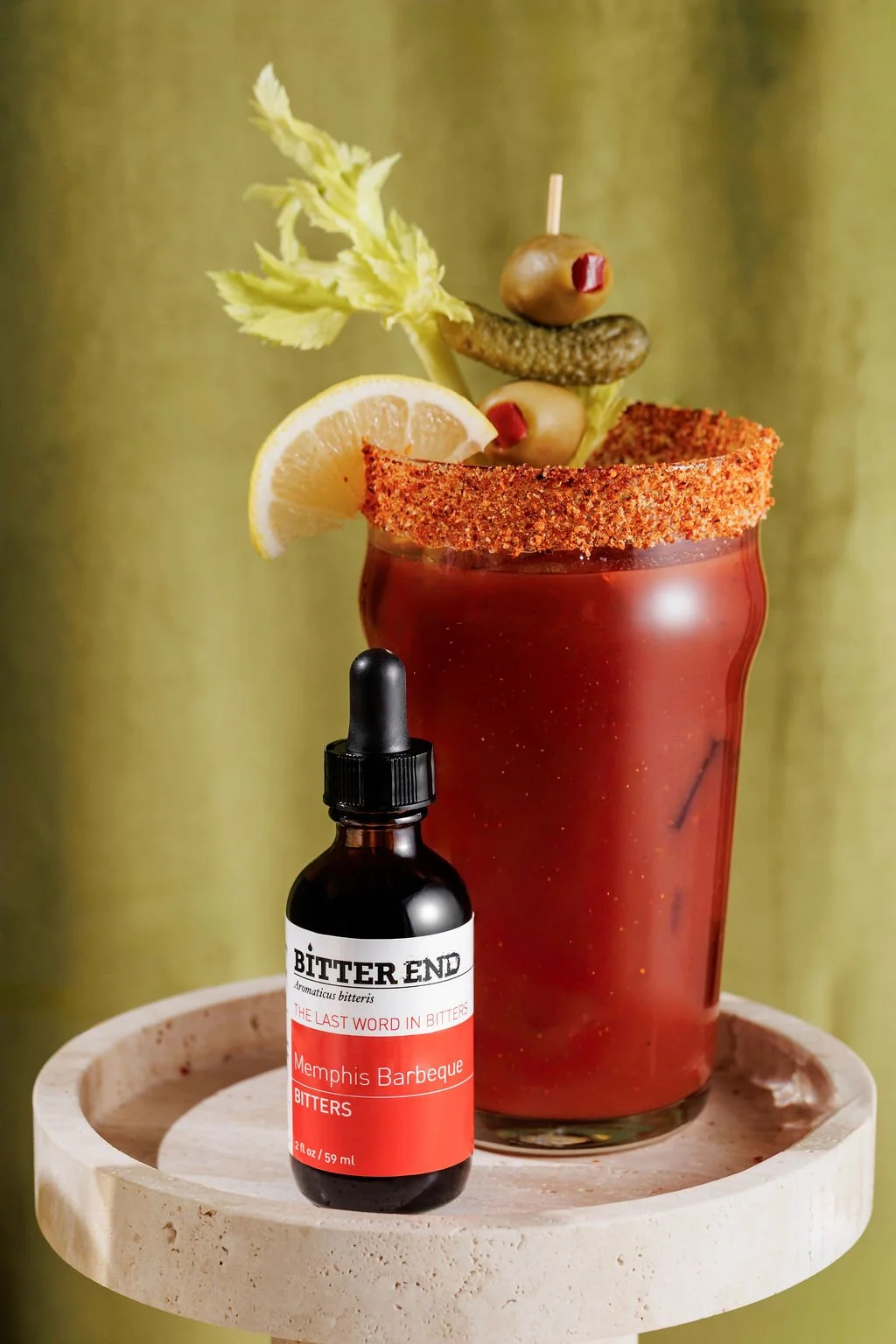
Product photography isn’t just a one-off shoot, it’s an entire visual system. It’s all about long-term asset planning to ensure that you’re getting brand cohesion across years, not campaigns.
This is where a professional comes in. Any good product photographer should know how to create photos that have longevity, that will serve your business through growth and expansion.
How Do We Measure Whether or Not Our Product Photography is “Working”?
Once you get your photos back, there are a few key takeaways to make sure that they’re actually working for you:
Conversion metrics
Engagement metrics
Retail sell-through
Testing and Iteration
Marketing takes time and testing, so keeping up with these metrics to ensure that your product photos are working for you is key.
Jeremy Lee | Minneapolis Product Photographer
Again, product photography isn’t just about having nice visuals for your brand, it’s a strategic move. If you still have more questions about what that looks like for your business, I’d love to connect! You can reach out here, and we’ll chat about what product photography will look like for you.
Find more helpful tips for planning your product photoshoot:
9 Studio Photography Ideas to Make Your Brand and Products Pop
